Essential Guide for Exhibitors: Importing Goods into Canada for Conferences
Understanding Canadian Import Regulations
Importing goods into Canada for conferences requires a good grasp of the country's import regulations. Canada has specific rules that exhibitors must follow to ensure a smooth process. Familiarizing yourself with these regulations can save time and prevent potential issues at the border.
Before shipping any goods, it is essential to determine if your items are subject to any import restrictions or require special permits. Consulting the Canada Border Services Agency (CBSA) website can provide valuable information on these requirements.
Documentation and Paperwork
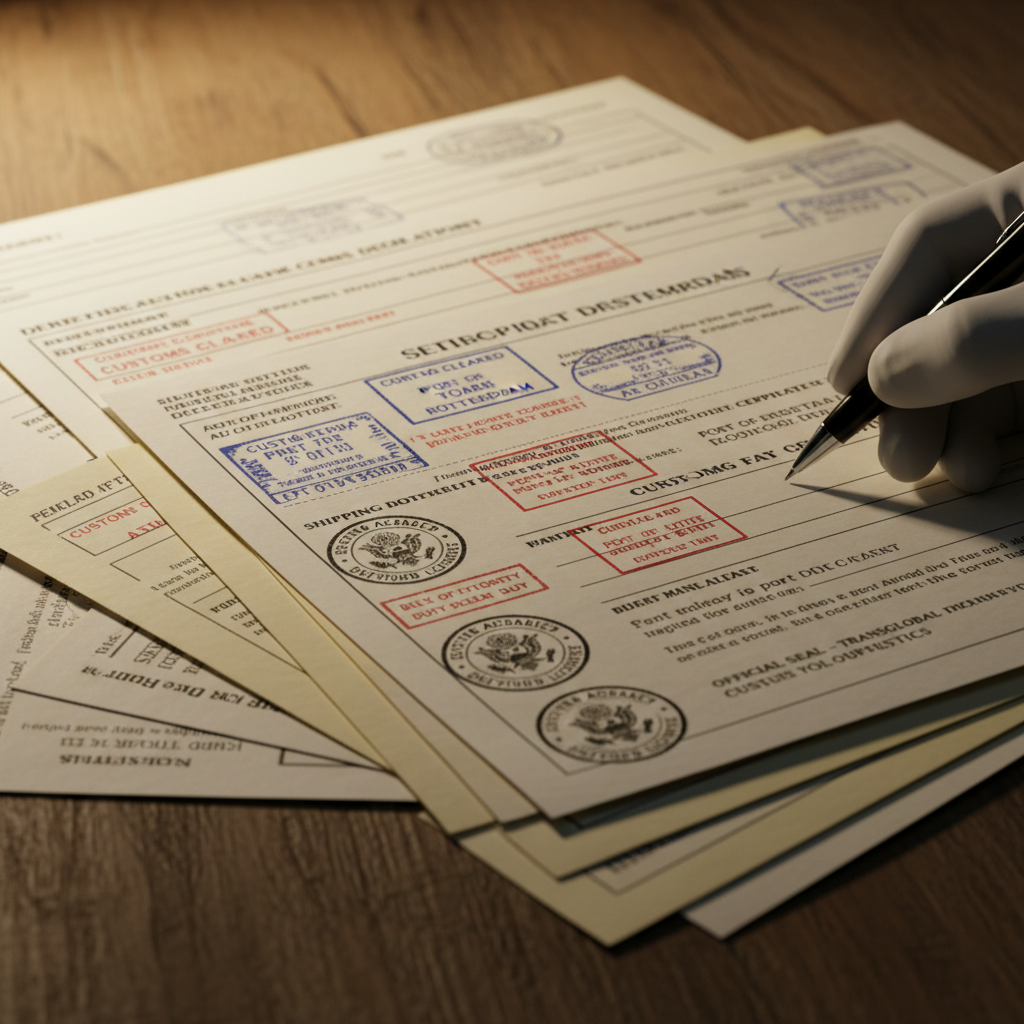
Proper documentation is crucial when importing goods into Canada. The most important documents you will need include the Commercial Invoice, Bill of Lading, and any necessary certificates of origin. These documents help customs officials assess any duties or taxes applicable to your goods.
It's also advisable to prepare a detailed packing list, which should include descriptions, quantities, and values of each item. Make sure all documents are accurate and complete to avoid delays.

Tariffs and Duties
Understanding tariffs and duties is vital when importing goods. Canada imposes duties on certain products, which can impact your budget. It's wise to research the tariff classification of your goods to determine any applicable fees.
Utilizing a customs broker can simplify this process. They can provide expert guidance on tariff classifications and help ensure compliance with Canadian regulations.
Temporary Importation
If you're only bringing goods into Canada temporarily for a conference, you might qualify for a temporary importation. This process allows you to bring in items without paying permanent import duties, provided they are exported back within a specified timeframe.
Temporary importation often requires a security deposit or bond, which is refundable once the goods leave Canada. A customs broker can assist in managing this process efficiently.

Choosing a Shipping Method
The choice of shipping method can significantly affect the import process. Options include air freight, sea freight, or courier services. Each has its pros and cons depending on factors like budget, timing, and the nature of the goods.
Consider the type of goods you are importing and the time frame of your conference to select the most suitable shipping method. Planning ahead is key to avoiding last-minute complications.
Working with a Customs Broker
Collaborating with a customs broker can greatly facilitate the import process. Brokers are knowledgeable about Canadian customs regulations and can handle the paperwork, saving you time and ensuring compliance.
Look for a broker with experience in conference and trade show logistics. They can offer tailored advice and services to meet your specific needs.

Handling Goods Upon Arrival
Once your goods arrive in Canada, they will be inspected by customs officials. Ensuring that all your paperwork is in order will expedite this process. Be prepared to answer any questions they might have about the contents and purpose of your shipment.
After clearance, arrange for transportation to your conference venue. Coordinating with the venue in advance can help ensure a seamless setup.
Post-Conference Considerations
After the conference, if your goods were imported temporarily, you'll need to ensure their exportation back to your home country. Keep all documentation handy to expedite the refund of any deposits or bonds.
Reflecting on the import process can provide insights for future conferences. Take notes on what went smoothly and what could be improved to enhance your experience next time.